“As an Amazon affiliate, we earn from qualifying purchases made through affiliate links.”
String of Pearls
Senecio rowleyanus
As an Amazon affiliate, we earn from qualifying purchases made through affiliate links.
Do you have a Christmas cactus that seems to bloom earlier than expected each year, and you keep wondering what you're doing wrong? Trust me, it could just be that Thanksgiving is actually the right time for your plant to flower.
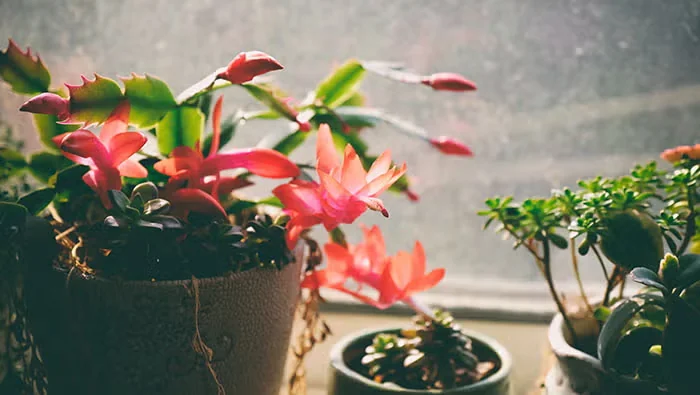
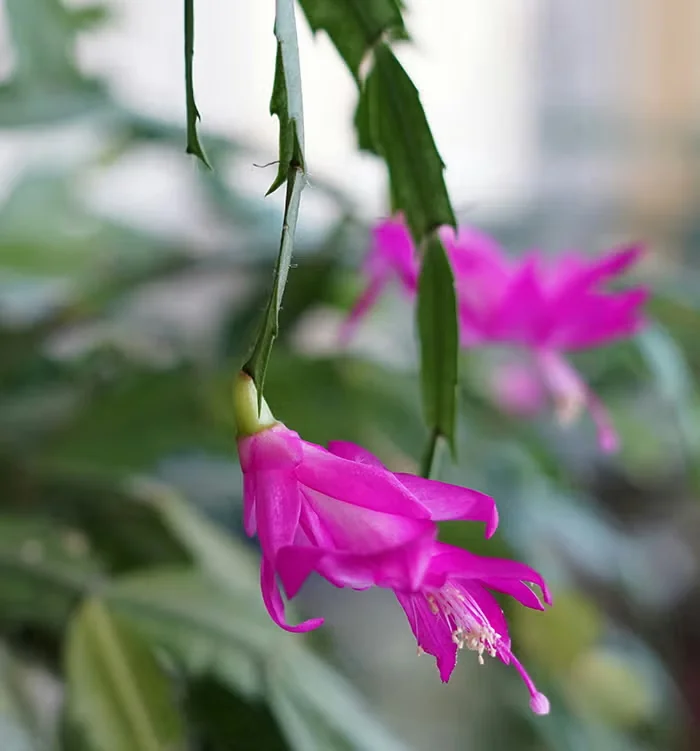
A Christmas cactus is one of three popular holiday cacti: Easter, Thanksgiving and Christmas. You can probably guess by their names when these plants usually bloom; Thanksgiving cacti typically start in late fall and Christmas cacti, around a month later. An Easter cactus often starts producing flower buds after the height of winter—I always look forward to that late-winter pop of color.
Thanksgiving cacti are often sold as "Christmas cacti," and these two holiday plants look very similar. In fact the Thanksgiving species was a parent of the hybrid Christmas plant. Commercial growers can treat both types to bloom at a prescribed time for holiday sales. Both fall in the genusSchlumbergera, have the same color scheme and require the same care. There are two main differences between a Christmas and Thanksgiving cactus: the flowering season, which we have already discussed, and the segments of the leaves. True Christmas cacti (S.xbuckleyi) have smooth, round leaf edges while Thanksgiving cacti (S. truncata) have jagged leaf edges—once you notice it, you'll never mix them up again!
If your plant possesses the telltale rounded leaves of the Christmas cactus yet insists on blooming earlier in the fall, it's likely due to its growing conditions. I've found that both Thanksgiving and Christmas cacti need cool temperatures to spur flower buds. Night temperatures between 55 and 60 degrees (F) are ideal. Flowering is also best with longer periods of total darkness, around 13 to 16 hours each night. Flowering should follow after about eight weeks of this treatment. The earlier the onset of cool conditions and long nights, the sooner the plant will flower. Try keeping your plant in a warm, well-lit spot, such as a room you use throughout the evening, for longer into the fall if you'd like it to bloom later in the season.
Recommended related reading:
Find all you need to know to tend and display flowering and foliage plants indoors withThe Practical Houseplant Bookby Zia Allaway and Fran Bailey—I've found it super helpful for my own collection.
Gain a better understanding of houseplants and how they communicate their needs withThe New Plant Parentby Daryl Cheng. It's a highly readable book that really changed how I think about plant care indoors.