“Houseplants—love them or hate them? From chatting with fellow gardeners and reading around, I've noticed folks tend to fall firmly into one camp or the other (though I'm sure some people are…”
Hibiscus
Hibiscus syriacus
Houseplants—love them or hate them? From chatting with fellow gardeners and reading around, I've noticed folks tend to fall firmly into one camp or the other (though I'm sure some people are perfectly neutral about it). Me? I'm absolutely in the love-them camp. Let me share some reasons I think houseplants are worth growing, plus some tips to help with the issues that often push people toward the "hate them" side.
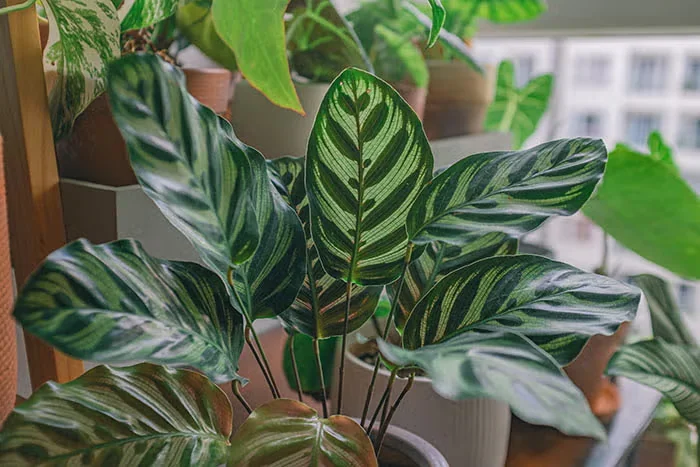
Houseplants Help Our HealthStudies have shown that indoor plants really do improve air quality. Their best-known superpower, thanks to research by NASA and several universities, is cleaning the air of toxic volatile organic compounds, or VOCs, like benzene and formaldehyde. I love knowing my little green friends are quietly making my home healthier.
They also do the obvious thing for our air supply: they boost oxygen levels. In photosynthesis, they take in the carbon dioxide we breathe out and release the oxygen we breathe in—pretty great swap, right? While most plants stop this process in the dark, some keep making that exchange through the night, making them perfect for bedrooms. These include aloe vera, orchids, and snake plant (Dracaena trifasciata,formerlySansevieria trifasciata). I always keep a snake plant on my nightstand!
On top of that, plants add moisture to the air through transpiration, and that extra humidity is wonderful for combating dry skin and stuffy nasal passages. Of course, many plants prefer humid air themselves—so any effort you make to boost moisture for them ends up benefiting you too. It's a win-win I really appreciate, especially in dry winters.
Plants help us in less obvious ways, too. Various studies have found that simply having plants around lowers our stress and makes us more productive—for example, they've been shown to improve workers' performance by boosting memory and attention span. Texas A&M Agrilife Extension provides a deeper dive into the emotional and physical effects of plants (indoors and out) atellisonchair.tamu.edu/health-and-well-being-benefits-of-plants. It's fascinating stuff!
With all the research talking up houseplants as wellness boosters, let's not forget one more wonderful thing about them: their beauty! Plants and their pots can serve as the perfect accent to any indoor space, adding color, texture, and shape that no other decor can match—because they're alive and always changing. That's what I love most about them.
Making Houseplants EasyThat said, beauty is in the eye of the beholder, and I know some people aren't fans of houseplants precisely because of how they look. Maybe you feel indoor plants look fussy or that they just add clutter to a room. For many of us, space is already tight. Maybe you like the idea of houseplants but struggle to find a spot where they'll stay out of the way and still get the light they need—I've totally been there.
The key, I've found, is finding a balance between a room's style and layout and a plant's size and shape. Using just one or two large, architectural plants—like snake plant, the ZZ plant (Zamioculcas zamifolia)or a'Hope' philodendron—will add a clean, green element to any size room without screaming "Clutter!" On the flip side, small, slow-growing plants are wonderful for tight spaces (or those little nooks in bigger rooms); cluster together a few small pots of cacti and other succulents or miniature orchids to create a vignette with real personality but no bulk.
Clustering pots also helps with another common complaint from houseplant skeptics: the time and attention they demand. A lot of this comes down to simply choosing the right plant—one that matches the room's conditions and how much attention you're willing to give. Whatever you grow, though, grouping makes your care routine so much easier. (Case in point: my lone upstairs begonia is barely hanging on, while the plant gang in the family room is absolutely thriving. There really is safety in numbers!) Groups of plants also create a lovely little humidity bubble among themselves, which benefits everyone.
You could cluster your plants in individual pots, or take it a step further and arrange several different plants into one dish garden. Just choose your plant partners wisely—match their growth rate and requirements so this actually makes life easier, not harder (or worse, lethal). Whichever route you go, I really encourage you to try adding a houseplant or two to your life this winter. Trust me, the rewards are worth it.