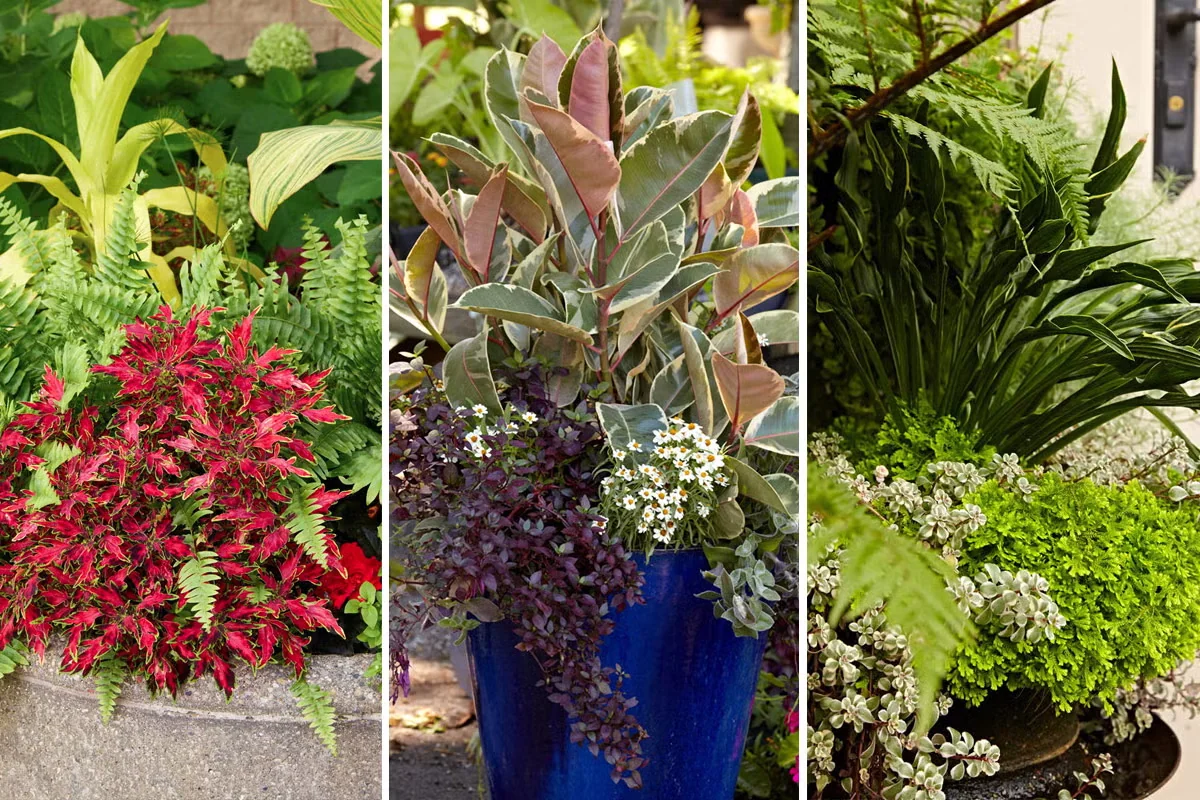
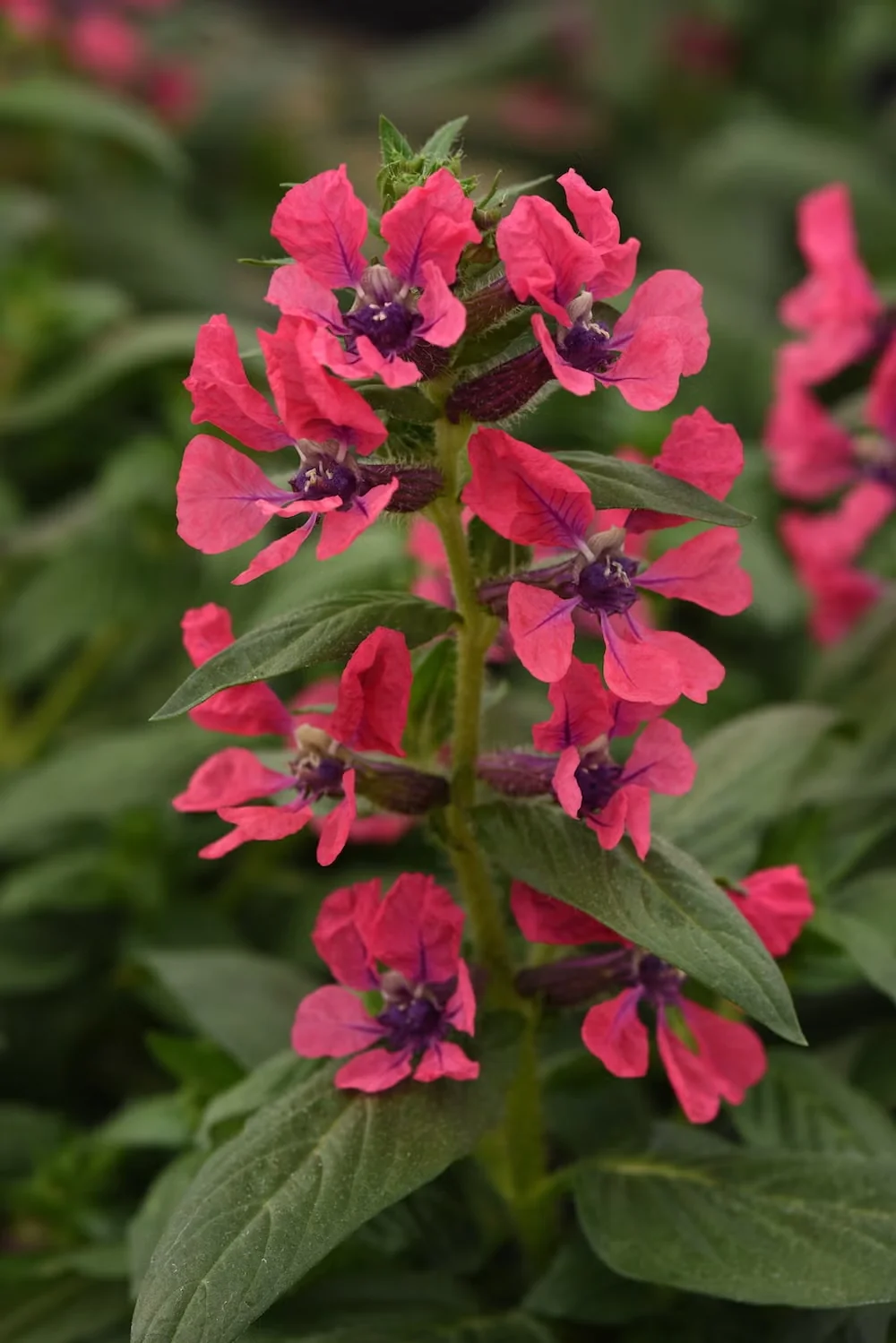
“Take a trip to your local garden center in spring and you'll probably see plenty of beautiful annuals and perennials for your garden. But if you're in the mood for something different this year, head…”
Succulent Cluster
Echeveria elegans
Take a trip to your local garden center in spring and you'll probably see plenty of beautiful annuals and perennials for your garden. But if you're in the mood for something different this year, head inside and check out the houseplants. These tropicals actually thrive outdoors, especially during summer's heat, and they're incredibly valuable for adding bold color and texture to shady spots where many of us struggle to find interesting, colorful plants we like.
We don't usually think of houseplants as outdoor plants, but they actually come from tropical areas of South America, Africa and Asia. The summer heat and humidity many of us deal with? Not a problem for these plants — they love it. And houseplants have a unique advantage: they can come indoors for winter, so you don't have to replace them every year like traditional shade-loving annuals.
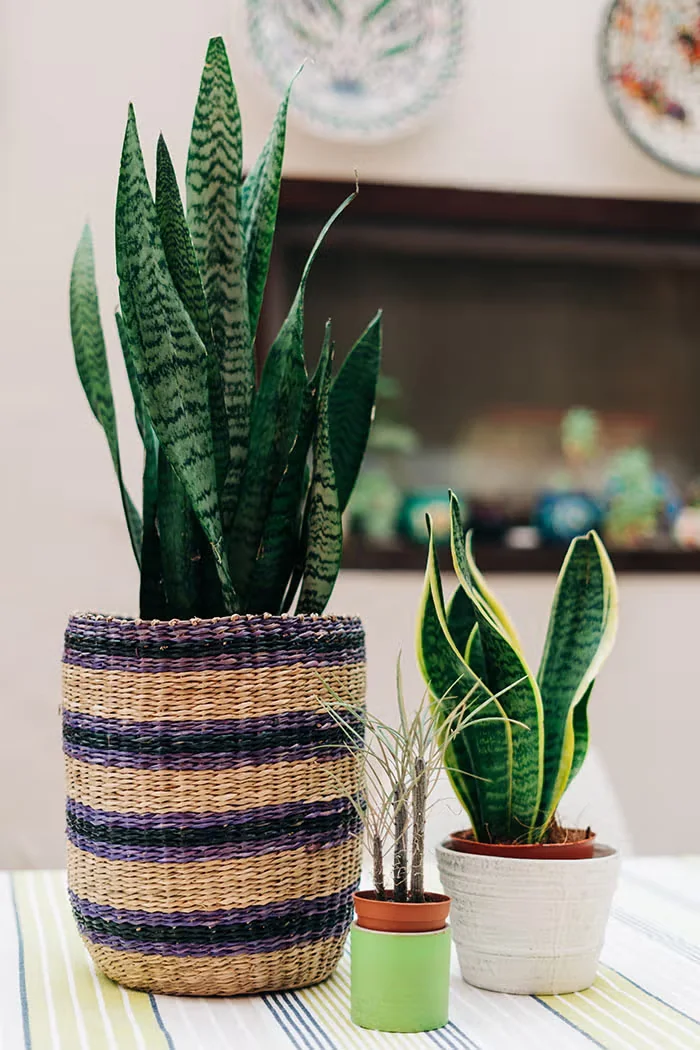
Chic Containers and Quirky GroundcoversTropical houseplants are naturals for container gardens in shaded spots. Snake plant (Sansevieria trifasciata) is just as easy to grow outside as in your living room, for example, and it brings dramatic texture to traditional potted annuals. Various dracaena and dieffenbachia can also serve as amazing focal points, bringing that much-desired vertical flair to planters. Options like the low-water ZZ plant (Zamioculcas zamiifolia) are sure-fire picks for shaded window boxes that are hard to irrigate during summer's heat.
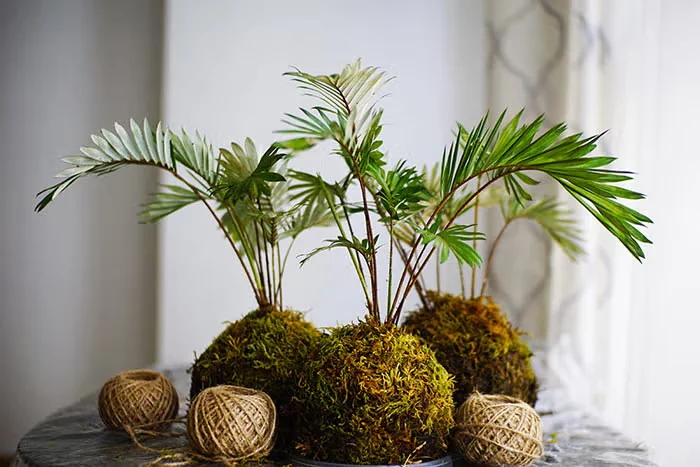
Kokedama, or string gardens, are all the rage and most houseplants are perfect for this fun treatment. Pot up your favorite ferns — including bird's nest (Asplenium nidus), blue star (Phlebodium aureum), or maidenhair (Adiantumspp.) — in a moss ball and display them on your patio table or hang them from trees for a magical feel. Low-growing houseplants like baby tears (Soleirolia soleirolii), waffle plant (Hemigraphis alternata), pothos (Epipremnum aureum) and prayer plant (Marantaleuconeura) grow fast outdoors in summer, where they make cheerful and colorful groundcovers for the front of the border, between steppingstones along shaded pathways, or edging patios that don't get much sun.
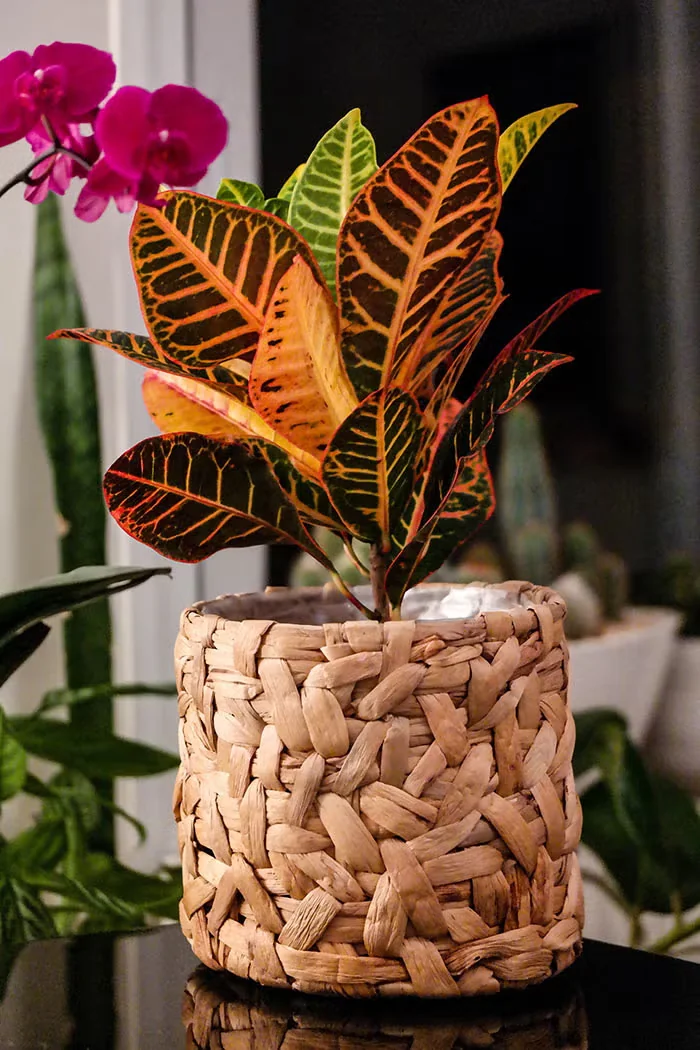
Statement-making ColorIf you crave color, croton (Codiaeumvariegatum) is one plant you simply must grow. 'Petra' is probably the most common variety, with big green leaves veined in yellow and shaded with orange and red. Look around and you can usually find other gorgeous varieties like 'Zanzibar', which is clothed in long, narrow leaves dotted with purple, red, yellow, orange and green with one-of-a-kind texture. Crotons are fabulous mates to amp up interest alongside ferns, hostas, or various heucheras. For all-out color, combine crotons with brightly colored New Guinea impatiens, coleus or begonias.
Anthuriums are one of the few houseplants that give you a reliable supply of showy flowers. With their rich leaves and exotic blooms, you'll be amazed at how long the flowers last in warm, humid summer conditions. Red is the most common shade, but look around and you might find pink, orange, white and purple types too, plus bicolor blooms. Anthuriums are stunning planted in large clusters, but they also make excellent companions to other houseplants, as well as variegatedCarex,AstilbeandCaladium.
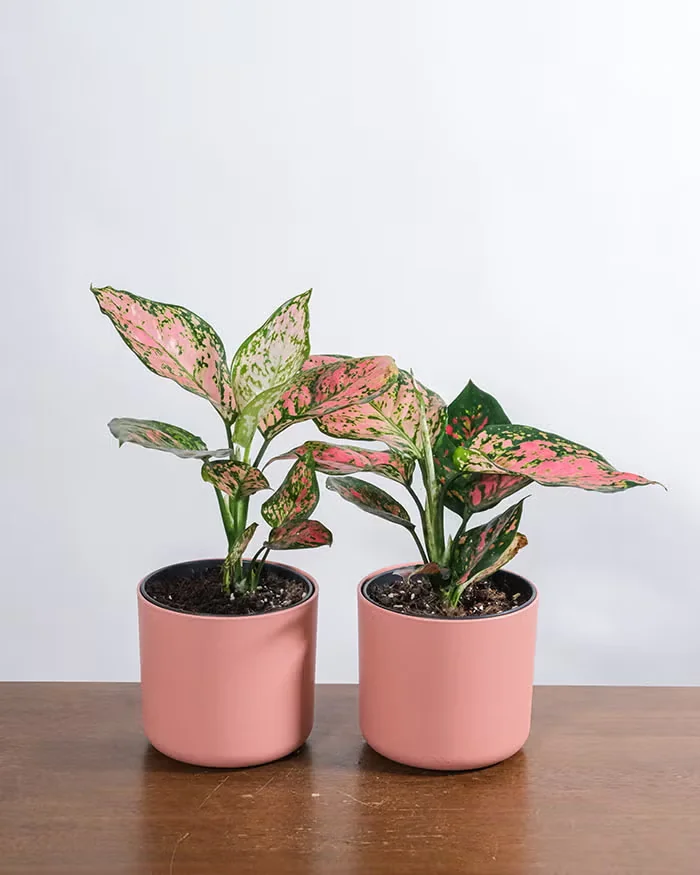
In spots with deep shade and very little or no direct sun, red aglaonema is a can't-miss pick. It shows off foliage playfully variegated in shades of red, pink, white and chartreuse, and it's just as easy outdoors as indoors — where it's one of those hard-to-kill houseplants we all love. Red aglaonema varieties like 'Siam Aurora' or 'Red Emerald' are showstoppers paired with old-school begonias or impatiens, or with other variegated plants including lungwort (Pulmonariaspp.) or no-fuss epimediums and hellebores.
Indoor/Outdoor Plants: 6 Simple Tips for Success1. The easiest way I've found to use houseplants in your shade garden is to plant them right in their pots — dig a hole and plant them pot and all. That way, come fall you just lift them out of the ground. This avoids the shock of digging and repotting, and they skip the hassle of adapting from a soilless greenhouse mix to your garden soil and back again for winter.
2. Since most houseplants are tropical, wait to bring them outside in spring until nighttime temperatures stay above 50˚F or so. Likewise, bring them indoors in fall when temps start dropping near 50˚F.
3. If your houseplants have been outside in the shade, you usually don't need to do much to acclimate them to indoor conditions come fall. But if they've been in a sunny spot, ease them into lower light by placing them in shade for a couple weeks before bringing them in. Same goes in spring — give them a transitional period in shade before moving them into sun.
4. Prevent pests from hitchhiking indoors by examining plants thoroughly, especially under the leaves and where the leaf meets the stem. Hosing plants down with a strong stream of water before and after your inspection can help dislodge any insects. Treat any pests you find with insecticidal soap or neem oil.
5. Don't worry if you see some leaf loss — it's totally natural for a few leaves to yellow and drop when moving from outdoors to in.
6. If your plants have grown so well outside that they're too big to bring indoors, take cuttings of your favorites to nurture through winter. They'll add a lovely dash of color, texture, and air purification to your home or office during those long, dark winter months — and be ready to rejoin the garden come summer.
This article first appeared in the May/June 2017 issue of Horticulture.