“As an Amazon affiliate, we earn from qualifying purchases made through affiliate links.”
Monstera
Monstera deliciosa
As an Amazon affiliate, we earn from qualifying purchases made through affiliate links.
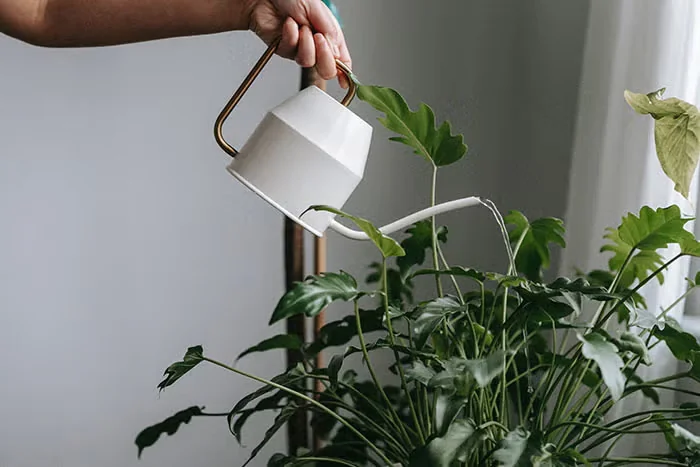
If you've spotted those annoying tiny black flies hovering around your houseplants or indoor seedlings, chances are you're dealing with fungus gnats. These little guys aren't strong fliers—they tend to hang out near potted plants rather than zooming all over the house. You'll see them sitting on or hopping across leaves, debris, and the soil surface, or lurking on nearby windowsills and walls. Give the plant a move or a watering and they'll flutter upward.
Fungus gnats absolutely love damp, dark spots full of decaying organic matter and fungus. The adults lay their eggs right on the moist soil, and the larvae hatch beneath the surface and start feeding on organic matter—including your plant's tiny roots. This can stunt growth a bit, but honestly, even with the root damage, fungus gnats are mostly just a nuisance. The adult flies don't do much harm beyond making more larvae!
Here's how I tackle fungus gnats:
- Resist the urge to overwater! Let at least the top inch of the growing mix dry out between waterings. Make sure your container drains well—fungus gnats just love soggy conditions.
- Empty any water that collects in your pots' saucers, and give humidity trays a regular clean. If potting mix sneaks into these vessels, scoop it out.
- Use sticky traps—they really do help.
- Spread a half inch of coarse horticultural sand on top of the potting mix. When you water, the sand drains and dries out fast. Gnats don't find it appealing for laying eggs, and even if they try, the sand makes it tough for larvae to burrow down.
- You can also swap out the top inch of potting soil for fresh stuff, or just repot the whole plant. A heads-up: fungus gnat larvae can already be hiding in ready-made potting mixes. Letting the mix dry out after you open the bag—before you use it—can help prevent an infestation.