“Rabbit's foot fern is a tropical plant that makes a wonderful houseplant, with its rich green color and soft texture. I've found this unfussy plant is easier to please than many other ferns you'll…”
Hosta
Hosta sieboldiana
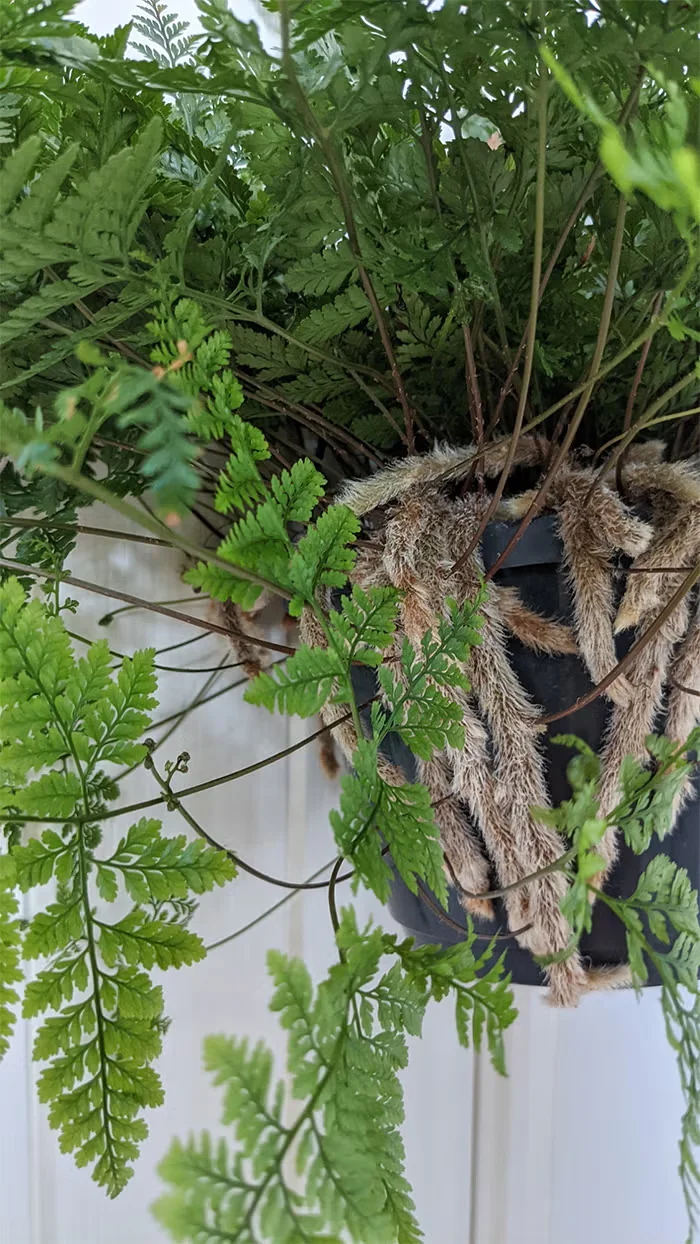
Rabbit's foot fern is a tropical plant that makes a wonderful houseplant, with its rich green color and soft texture. I've found this unfussy plant is easier to please than many other ferns you'll encounter for indoor use. The furry rhizomes that give it its colloquial name are an added point of visual interest, while they also reduce the fern's maintenance level—what's not to love?
Common name:Rabbit's foot fern
Botanical name:Davalliaspecies
Exposure:Bright, indirect light; tolerates lower light.
Foliage:Deep green, lacy, shield-shaped fronds on dark brown, wiry stems.
Growth habit:Rabbit's foot fern is an epiphyte, meaning that in nature it grows on another plant (such as draped on a tree branch). Though an epiphyte uses its host for physical support, it draws moisture and nutrients from the air, rainfall and/or debris that accumulates nearby, not from the host. Rabbit's foot fern has shallow roots and fuzzy aboveground rhizomes. The rhizomes provide the plant with physical support, stored water and a means to spread, with new foliage rising out of the rhizomes as they creep along the potting mix. The rhizomes also absorb water and nutrients from their environment.
How to grow rabbit's foot fern:Site in bright but indirect light. Use a quick-draining soil mix and allow the top inch to dry before watering. Because they can store water in their rhizomes, these ferns can withstand short dry spells—so don't worry if you forget now and then. Their growth habit also means they prefer a wide, shallow pot. The rhizomes will eventually creep over the edge of the container. This does not signal a need to repot; the plant can thrive with its rhizomes draping the sides of the pot. Should you wish to repot it, choose a wider vessel and spread the rhizomes on top of the potting mix. Do not bury them.
Image credit:Tom Knight/CC BY-SA 2.0