“Bonsai can make the most wonderful houseplant—and honestly, a really thoughtful gift too—but only if you put a little thought into picking the right type. Here's what I've learned about choosing and…”
ZZ Plant
Zamioculcas zamiifolia
Bonsai can make the most wonderful houseplant—and honestly, a really thoughtful gift too—but only if you put a little thought into picking the right type. Here's what I've learned about choosing and caring for a bonsai tree that's going to live indoors.
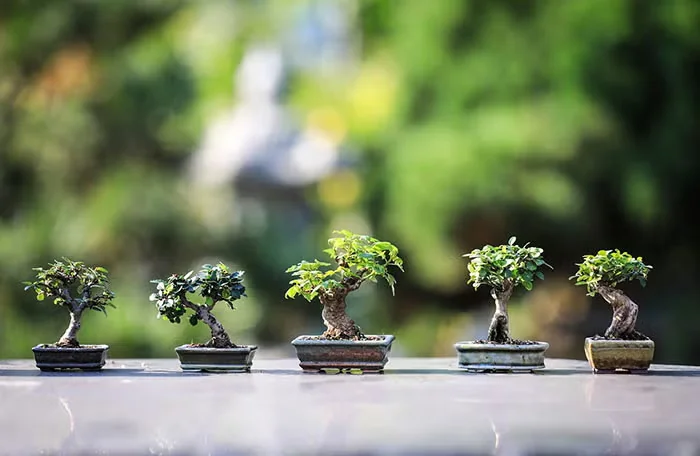
A lot of bonsai specimens you'll see are evergreen or deciduous trees from temperate climates, and here's the thing—these plants actually need a winter dormancy period, just like they'd get if they were growing full-size outdoors. If you keep them inside year-round, they never experience the cold temperatures that trigger that essential winter rest.
For a much easier time with indoor bonsai, I'd recommend going with a tropical or subtropical tree that's happy with fairly consistent conditions year-round. Ficus, jade, and schefflera are popular choices that I've seen work beautifully.
Do a little homework on your chosen species to find out whether it's tropical or subtropical. If it's tropical, it'll be perfectly happy with warm temps all year—basically, it'll be comfortable wherever you're comfortable. If it's subtropical, though, give it a cooler winter spot than your main living area. An entryway, enclosed porch, or even an unheated bedroom works great for this.
Both tropical and subtropical bonsai really appreciate more humidity than most homes typically have. What I do is stand the pot on a tray of damp gravel—it works like a charm. Clustering several plants together also helps create a little humidity microclimate. Kitchens and bathrooms tend to be more humid naturally, so they can be great spots for your indoor bonsai, as long as the temperature and light are also up to par.