Archive · CA-8843
“As the days get shorter and colder, a lot of us shift our gardening energy indoors. Whether you're bringing in tender plants that can't handle winter outside or just growing your indoor plant family,…”
GLASS · Bowl
Rosemary Standard
Salvia rosmarinus
As the days get shorter and colder, a lot of us shift our gardening energy indoors. Whether you're bringing in tender plants that can't handle winter outside or just growing your indoor plant family, I've got tips to help keep all your houseplants happy and healthy.
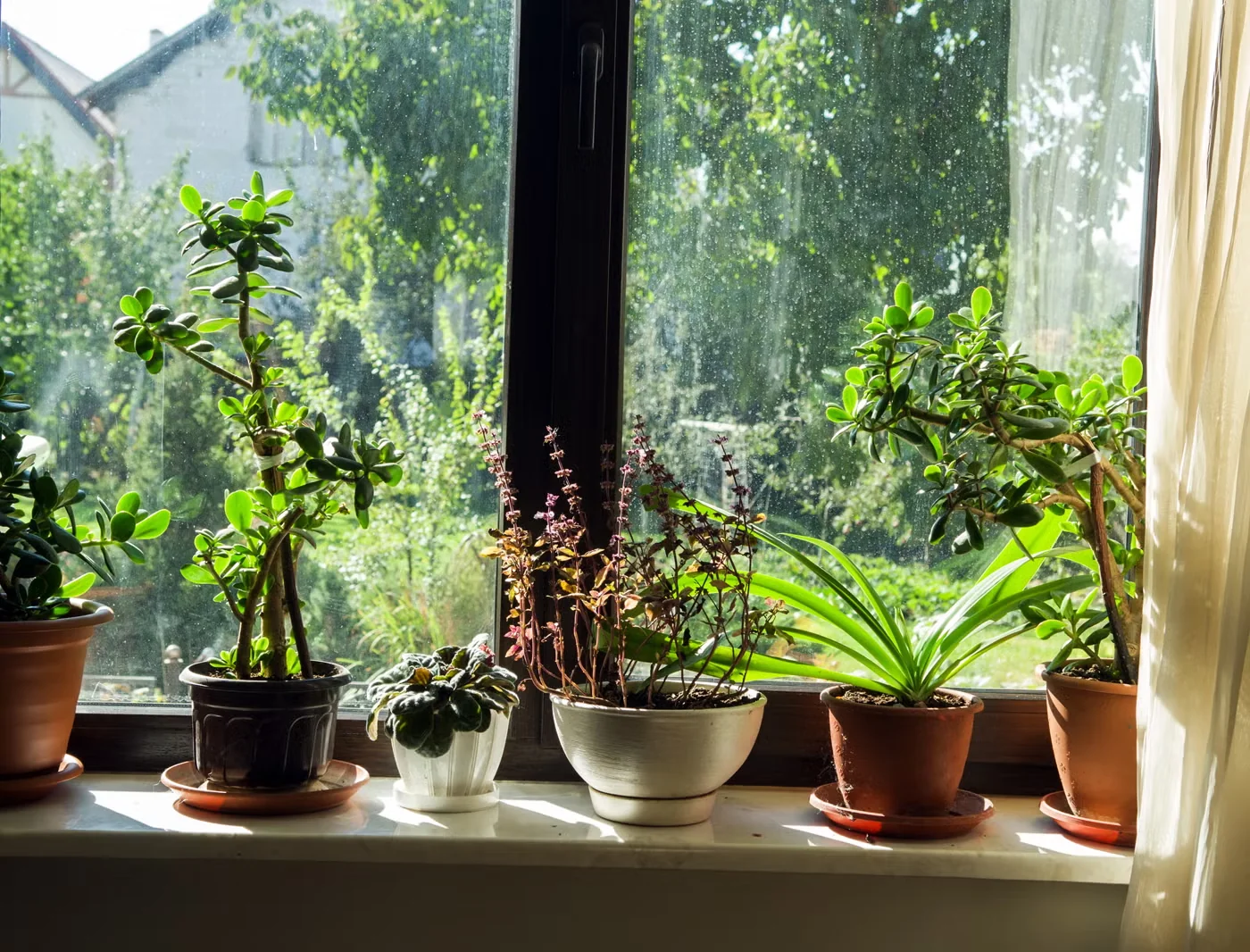
- Before bringing any plants inside, give them a careful inspection and a good wash—you want to make sure any hitchhiking bugs stay outside where they belong.
- If the indoor-outdoor conditions are drastically different, help your plants adjust gradually over a week or so.
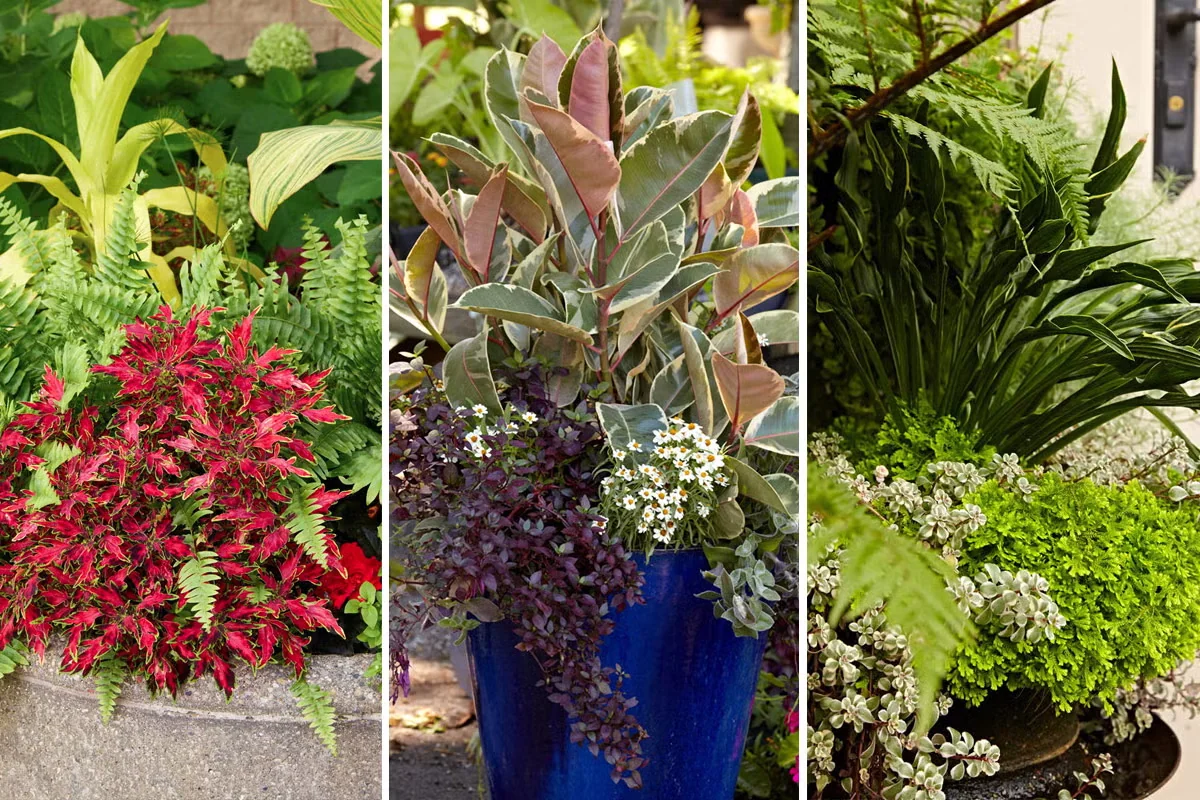
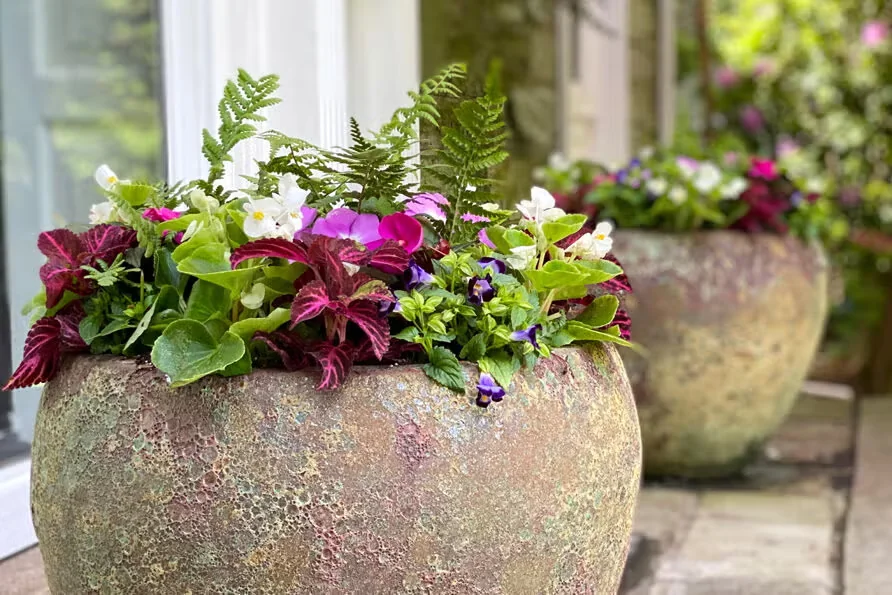
- Group plants together, but don't let them touch—this creates a little humidity zone around plants that hate the dry indoor air, especially when the heat is cranking.
- If they still need more humidity, set pots in saucers a size or two larger than the pot. Fill the saucers with rocks and water, then rest the potted plants on top. The key thing is making sure the roots aren't sitting in water. As the water evaporates from the rocks, it adds lovely moisture to the air around your plants.
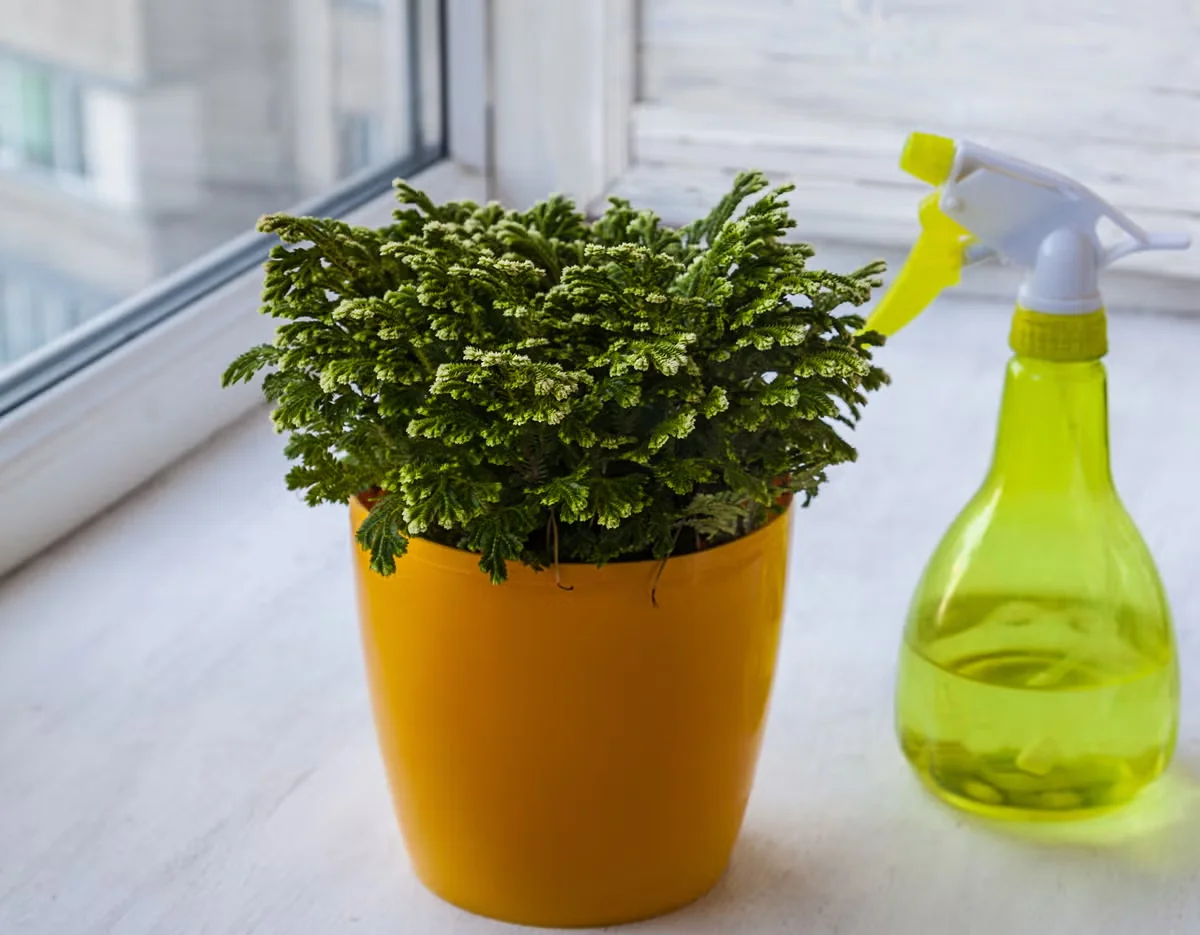
- Mist plants with smooth leaves—they love it. But never mist fuzzy or hairy-leaved plants!
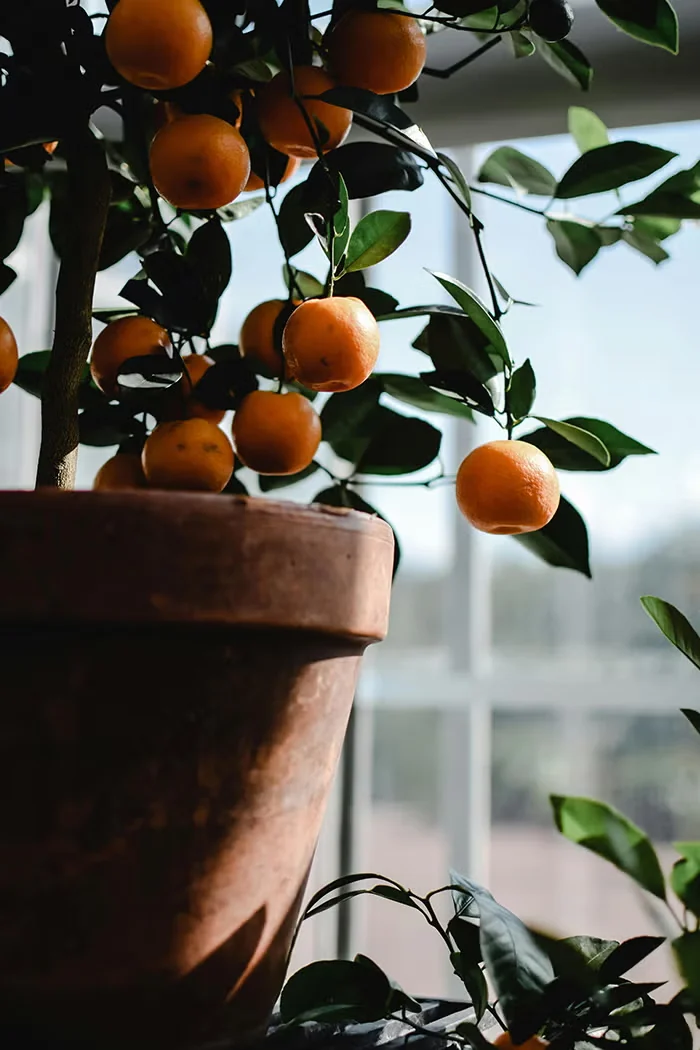
- Keep plants away from the glass—winter windows can be bitterly cold, and in summer or on bright days the glass can magnify sunlight and scorch those leaves.
- Rotate your plants regularly so they don't all lean one direction—nobody wants the dreaded leaning plant syndrome, also known as phototropism!
- Water until excess runs freely from the drainage holes; this helps flush out calcium and other mineral buildup that can actually harm your plants over time.
- I like to use water that's been sitting out for a day or two—it comes to room temperature, and any chlorine or other chemicals have a chance to dissipate.
- Ease up on watering when plants aren't actively growing or blooming. Trust me, the biggest threat to houseplants is overwatering!