“Autumn always has me doing a little soul-searching as a gardener who loves the tropical look—"Why don't I live in a frost-free climate?!" Or, from my frugal side: "Why did I spend so much on plants…”
Lavender
Lavandula angustifolia
Autumn always has me doing a little soul-searching as a gardener who loves the tropical look—"Why don't I live in a frost-free climate?!" Or, from my frugal side: "Why did I spend so much on plants that are about to freeze any minute now?" But take heart, fellow gardener! Many of those tropicals you love can actually be rescued. You just need to know a few tricks.
For overwintering, I sort my tropicals into three categories: soft-stemmed plants with fibrous roots as skinny as a supermodel; plants with big fat rockin' tuberous roots; and those that grow woody stems or a storage crown along with fibrous roots. Scientists might frown at my system, but honestly, it works beautifully for figuring out how to overwinter your plants!
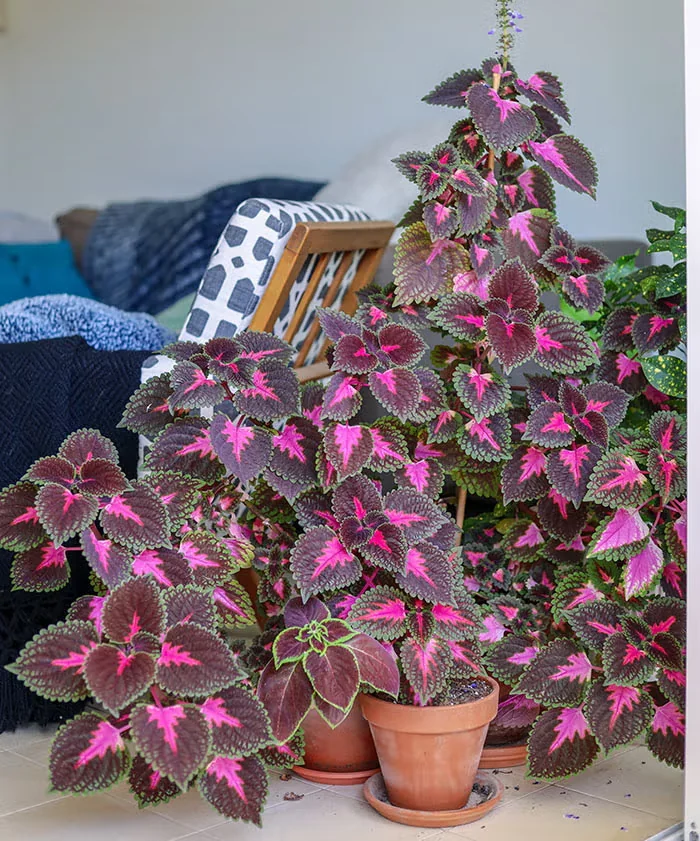
1. Soft-stemmed plants include colorful coleus, pentas, and plectranthus. These overwinter best from rooted cuttings that end up on your warmest, sunniest windowsill. Water sparingly—trust me, winter losses usually come from root diseases thanks to soggy soil. Check often for pests like aphids, whiteflies, and spider mites; it's way easier to stop a small infestation than fight an army.
2. Big-bootied tropicals like cannas, bananas, gingers, and elephant ears overwinter from succulent tuberous roots. They make fab houseplants if you happen to have a furniture-free sunroom going unused, but you can also send them into dormancy in a cool, frost-free spot—like a garage, chilly basement, or even the crawl space under your house. (Skip the crawl space if it's crawling with mice, though!) If your plants are in containers, just remove the foliage and tuck the pots into your storage space. If they're in the garden, dig them just before frost (or at least before hard freezes damage the crowns), ditch the leaves, and overwinter the tubers in uncovered tubs filled with barely damp sand, bark, or loose potting mix. Some gardeners apply a fungicide or coat the tubers with an antidessicant spray to prevent drying out. Check your tubers every few weeks and deal with any rot at the first sign.
3. Many tender tropical plants are actually perennial woody shrubs with fibrous root systems. We temperate-zone gardeners treat them as annuals because they simply can't handle our frosty winters. Lantanas, cupheas, angel's trumpets (Brugmansia), and some salvias are woody plants you can force into dormancy—cut them back to remove the foliage, then store them somewhere cool and dark like a cellar or garage. Keep their root balls barely moist and watch for signs of sprouting come spring. Tropical grasses like burgundy fountain grass (Pennisetum setaceum 'Rubrum'), chocolate sugarcane (Saccharum 'Pele's Smoke'), and lemongrass (Cymbopogon citratus) have fibrous roots but sturdy storage crowns. Give them the same treatment as woody tropicals.
While overwintering tropical plants indoors isn't foolproof, in my experience there's an excellent chance your treasures will live to see the sunshine again next spring.
Learn another easy way to winter tropical plants and non-hardy perennials in the post"Propagate Tender Perennials With This Trick."
If the perennials in your garden containers are hardy to your region, check out this post for winter care advice:"Potted Perennials Survive Winter With These Methods."