“If you grow houseplants or garden plants in terra cotta pots like I do, you've probably noticed a white crust or film building up on the pots and sometimes even on the potting soil. I remember the…”
Hosta
Hosta sieboldiana
If you grow houseplants or garden plants in terra cotta pots like I do, you've probably noticed a white crust or film building up on the pots and sometimes even on the potting soil. I remember the first time I saw it—I had no idea what it was! Let me share what I've learned about what causes it and how to deal with it.
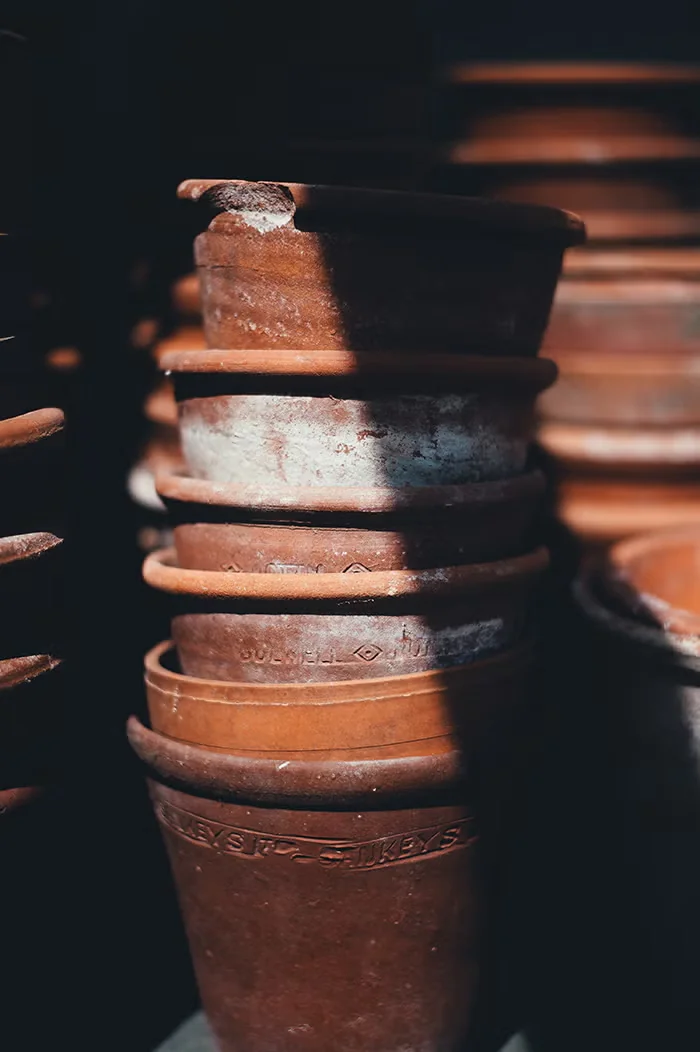
That white crust on your clay pots? It's basically soluble salts left behind—either from the fertilizer you're feeding your plants or from minerals in your water (especially if you have hard water, which I definitely do). Because terra cotta is porous, water seeps right through it. The water evaporates from the sides, but those salts get left behind on the surface. I've also found this white residue around the drainage holes of other types of pots and even sitting on top of the potting mix.
To clean off those white marks from your clay pots, I mix up a solution of one part bleach to nine parts water. Take your plant out of the pot and give the pot a good scrub inside and out with the bleach solution. Rinse it really well with plain water, let it dry completely, and then you can pop your plant back in. If you'd rather skip the bleach, I've also had great luck making a paste of baking soda and water—just scrub away with that and the salts come right off.
Here's the reassuring part: salts on the outside of the pot won't actually harm your plant, so if you can't get every last mark off, don't stress. But I do want to warn you—a buildup of soluble salts inside the soil can eventually damage or even kill your houseplants, and nobody wants that. What I do every few months is leach the salts from the soil by flushing it with about twice the volume of water as the soil in the pot. If you see white crust on top of the soil, gently scrape off that thin layer first. Then set the pot in the sink, tub, or shower and pour the water through, letting it drain freely away.
Whenever you water your plants, make sure you let the excess drain away rather than letting it sit in the saucer—otherwise the soil just sucks it back up, salts and all. Now, I know some plants are watered from below, where you stand the pot in shallow water until the soil surface looks damp. African violets are a classic example—this method keeps their leaves from getting splashed and scarred and helps prevent crown rot. But if you bottom-water your plants, it's extra important to flush them regularly, because trust me, those salts will absolutely build up over time.