“As an Amazon affiliate, we earn from qualifying purchases made through affiliate links.”
Succulent Cluster
Echeveria elegans
As an Amazon affiliate, we earn from qualifying purchases made through affiliate links.
When the outdoor growing season winds down, I always find myself turning my attention to indoor plants. Sure, there are tons of tropical houseplants we can grow, but as someone who loves growing food, I've started collecting indoor edibles like ginger, bay, cardamom and other culinary herbs. I've found some really great advice in Herbal Houseplants, where author Susan Betz walks you through everything you need to know about growing these plants right in your kitchen and other rooms.
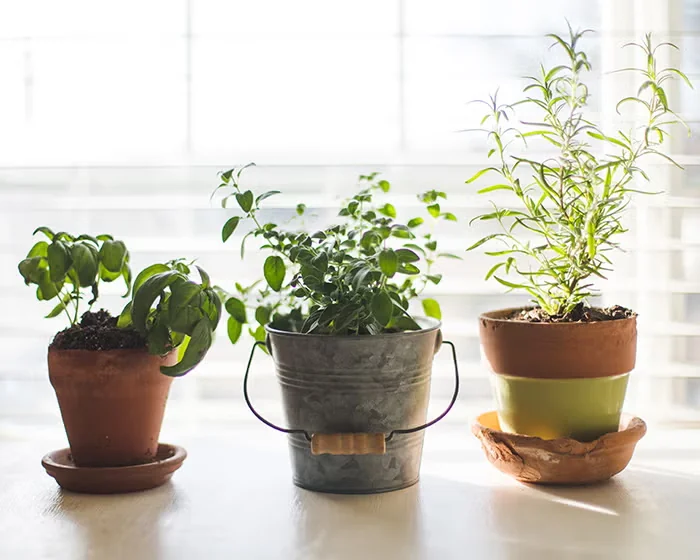
When I asked Susan where to even begin with indoor herbs, she told me the very first thing to do is find the light.
"One of the most important aspects of growing herbs is making sure they get enough light," she said. "Herbs are sun lovers and need at least five to six hours of sunlight per day."
A sunny window might not cut it for some herbs, so she recommends using a grow light to give them the supplemental light they crave.
When it comes to what to grow, she says start with the herbs you actually love using in your kitchen. But don't be shy about trying something new, too — especially if it fills your home with an amazing fragrance. She suggested lemongrass (Cymbopogon citratus), eucalyptus (Eucalyptus cinerea), lavender (Lavandula) and tea tree (Melaleuca alternifolia) as wonderfully scented herbs to try growing indoors.