“If you visit a garden center around this time of year, you might spot pots of gorgeous white-blooming hellebores nestled among the poinsettias, Christmas cactus, and other holiday favorites. These…”
Bird of Paradise
Strelitzia reginae
If you visit a garden center around this time of year, you might spot pots of gorgeous white-blooming hellebores nestled among the poinsettias, Christmas cactus, and other holiday favorites. These are usually selections and hybrids of Helleborus niger, better known as the Christmas rose. It's a perennial that naturally blooms in December where winters are mild, or in late fall or earliest spring in colder-climate gardens. Helleborus niger and its cultivars are generally winter hardy in USDA Zones 4 through 9.
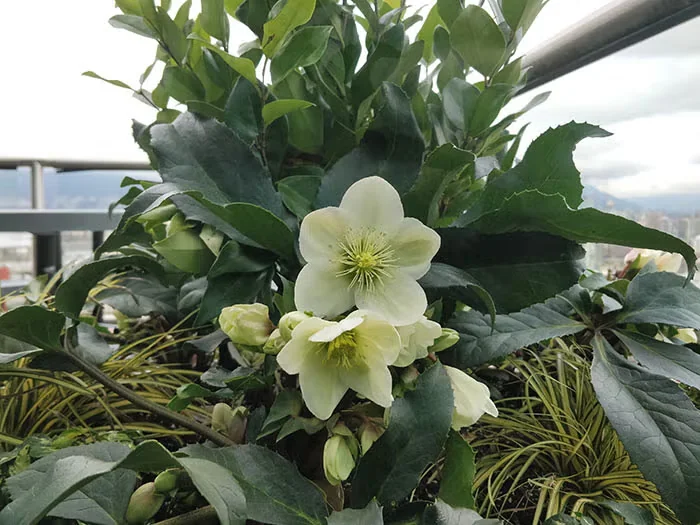
With its natural bloom time, large pristine white flowers, and deep green foliage, the Christmas rose slips beautifully into holiday decorating. (Just a heads-up: they're poisonous if ingested.) The catch is that hellebores aren't really suited to typical indoor winter conditions. The air temperature is one issue—hellebores like it cool. Low light is another struggle. Here are some tips that have helped me keep them going.
- Keep your potted Christmas rose in the coolest spot you can when you're not showing it off, ideally somewhere with bright light. (Totally fine to put it on the coffee table during your holiday party—just move it back to an enclosed porch, drafty entryway, or other chilly spot the rest of the time.)
- Water sparingly, but don't let it dry out so much that it wilts. I let the soil dry just a bit between waterings, and I always avoid getting the leaves wet. Wet soil and soggy foliage are basically an invitation for disease on Christmas rose.
Where winters are mild and the ground doesn't freeze:
- Gradually move your plant outdoors, leaving it out a little longer each day in a sheltered spot (right next to the house works well). This way you avoid shocking the poor thing.
- Once it's acclimated to staying out day and night, plant the hellebore in your garden. In my experience, hellebores do best in part shade with protection from that harsh afternoon sun—and they absolutely need great drainage.
Where winters are cold and the ground freezes:
- Keep the hellebore in the coolest indoor spot you can manage. Bright light is ideal, too.
- If the foliage starts looking yellow, find an even colder spot—maybe a garage or a sheltered spot outside.
- Keep watering sparingly and carefully.
- As spring gets closer, start transitioning the hellebore outside, just like you'd harden off seedlings.
- Once it's used to staying out day and night and the danger of a hard freeze has passed (light frost is fine though), plant it in your garden. Pick a spot with part shade and afternoon sun protection. Excellent drainage is absolutely key.
- If despite your best efforts your hellebore "houseplant" doesn't make it through winter indoors, don't beat yourself up—just let it inspire you to buy and plant new hellebores in spring. For the garden only this time!
Image credit:Ruth Hartnup/CC BY 2.0