“As an Amazon affiliate, we earn from qualifying purchases made through affiliate links.”
Fern
Nephrolepis exaltata
As an Amazon affiliate, we earn from qualifying purchases made through affiliate links.
Tips for transitioning plants indoors
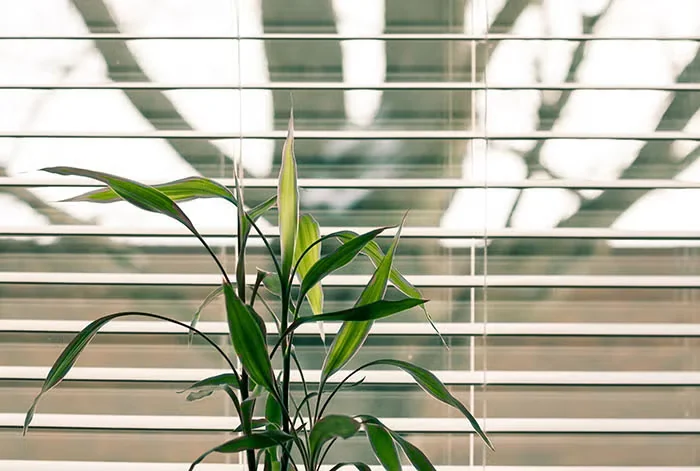
When those fall nights start getting a bit chilly, it's time to bring your houseplants back inside from their summer vacation outdoors. I've found that transitioning them smoothly takes a few simple but important steps:
Timing
The exact timing depends on where you live, but in my experience, you'll want to get this done before nighttime temps drop into the 40s (F). When the forecast shows a "morning low" of 50 or cooler in the next few days, that's your cue — bring those babies inside!
Related article:Easy Houseplants That Thrive on Neglect
Lighting
Even the sunniest window in your home can't match the great outdoors. If you can plan ahead, I highly recommend moving your plants into shade for a couple weeks while they're still outside — go from sun to light shade for a week, then deeper shade for a week, then finally bring them in. If fall sneaks up on you and you skip this step (it happens!), don't panic — your plants might drop some leaves in protest of the light change, but they'll usually bounce back.
Once they're settled inside, place them where they'll be happiest. In my experience, south-facing windows give the most sun (in the northern hemisphere), while north-facing ones are the dimmest.
Check for pests
Before bringing anything inside, I can't stress enough — check everywhere for pests! Look on and under the leaves, along the stems, at the base, and from the soil surface right down to the drainage holes. My favorite trick for checking the soil is either sliding the plant out of its pot or submerging the whole pot in water for about 15 minutes — it sends any hidden hitchhikers scrambling. If you spot a light infestation, treat with an insecticidal soap that's safe for plants, pets, and you before bringing them in. For heavily infested plants, honestly, it's better to repot or even discard them.
Quarantine plants after moving them indoors
If you've got plants that stayed inside all summer, don't put the returning ones right next to them. I always keep the newcomers separated for a couple weeks to watch for any pests I might have missed — you really don't want them spreading to your whole collection.
Related article:Growing Potted Citrus Trees in the Home and Garden
Plant maintenance
Snip off any dead or damaged leaves and give the plant a quick hose-down before bringing it in. Once inside, you'll need to adjust your watering and feeding routine — indoor conditions are just so different from outside. I water less often but still deeply, and the best way I've found to know when is simply feeling the soil. If the top inch feels dry and looks lighter in color, it's time. Plants that love humidity need a little extra TLC in our dry indoor air — what works for me is clustering them together and setting the pots on saucers filled with gravel and water.
Houseplant books we recommend: I've really enjoyed Lisa Eldred Steinkopf's Houseplants: The Complete Guide to Choosing, Growing and Caring for Indoor Plants — it covers everything you need to know about caring for potted plants inside your home.
Want to multiply your houseplant collection? Root, Nurture, Grow by Caro Langton and Rose Ray taught me some wonderful indoor propagation techniques for keeping or sharing.
I love browsing through other plant lovers' collections in Urban Jungle by Igor Josifovic and Judith de Graaff — the photos and interviews are so inspiring.
For more plant-lover interviews and fantastic care advice from around the world, check out The Leaf Supply Guide to Creating Your Indoor Jungle by Lauren Camilleri and Sophia Kaplan — it's one of my favorites.