“It's so tempting to treat potted perennials like annuals—just toss them out when winter rolls around and plan to buy new ones in spring. I've been there! But with a little preparation and care, you…”
Rosemary Standard
Salvia rosmarinus
It's so tempting to treat potted perennials like annuals—just toss them out when winter rolls around and plan to buy new ones in spring. I've been there! But with a little preparation and care, you really can help them survive the winter and come back strong next year.
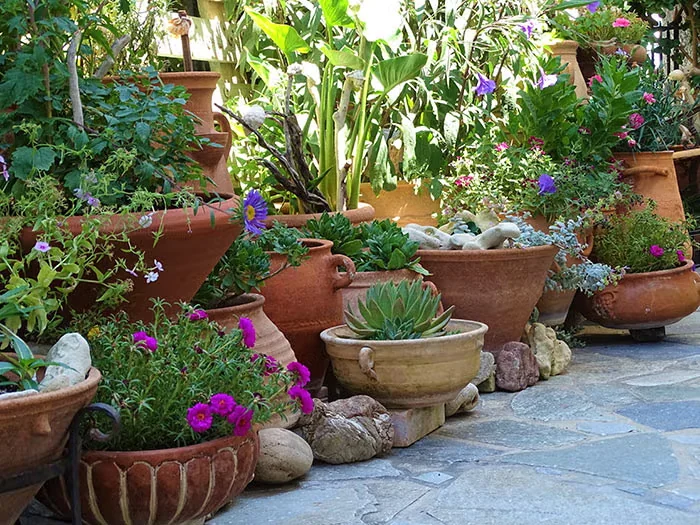
Tips for saving container-grown perennials for next season
Here's a tip I always rely on: container perennials rated one or two USDA Hardiness Zones colder than your area have a really good chance of making it through the winter outdoors. Treat them just like your in-ground perennials. Keep watering until the ground (and potting mix) freezes solid. I also like to apply a winter mulch, and if the container is sitting in a really exposed, windswept spot, pull it somewhere more sheltered—right up against a wall works wonders.
Ways to save perennials over winter that aren't hardy in your zone
For perennials in pots that aren't hardy in your area, don't worry—you still have options:
1. You can tuck them into an unheated indoor spot, like a garage or acold frame, just making sure they don't dry out completely. Or, you can scout out the warm microclimates in your garden and try one of these methods: Plant the container right in the ground just before the soil freezes, with the pot's rim at or just above the soil line, then cover heavily with mulch. Or remove the perennial from its container and plant it snugly with other perennials in the ground, adding plenty of mulch on top.
2. A slightly riskier approach is to group all your potted perennials tightly together, pile on heavy mulch, and cross your fingers. The best spot will be one that's sheltered from wind and harsh sun. Here's something that surprised me: up against a north-facing wall or hedge is actually better than a south-facing one. Why? The north wall stays pretty consistent in temperature, while the south wall may warm up during the day and then plunge at night. That temperature swing can really take a toll on your plants.
Container considerations when overwintering perennials
Beyond winter prep, I can't stress enough how important it is to think about the container itself. Can it handle freezing temperatures, or is it going to crack on you? Remember, as the soil freezes inside the pot, it expands. A pot that isn't very durable might break under that pressure.Fiberglass and plastic pots are your safest bet—they're least likely to crack.Terra-cotta, ceramic, and concrete pots might survive; the thicker their walls, the better their chances. I learned this the hard way with a beautiful but thin ceramic pot one winter!
Related:Growing Potted Citrus in the Home and GardenThe Key to Growing Herbs IndoorsAdvice on Growing Shrubs in ContainersSubscribe toHorticultureMagazine