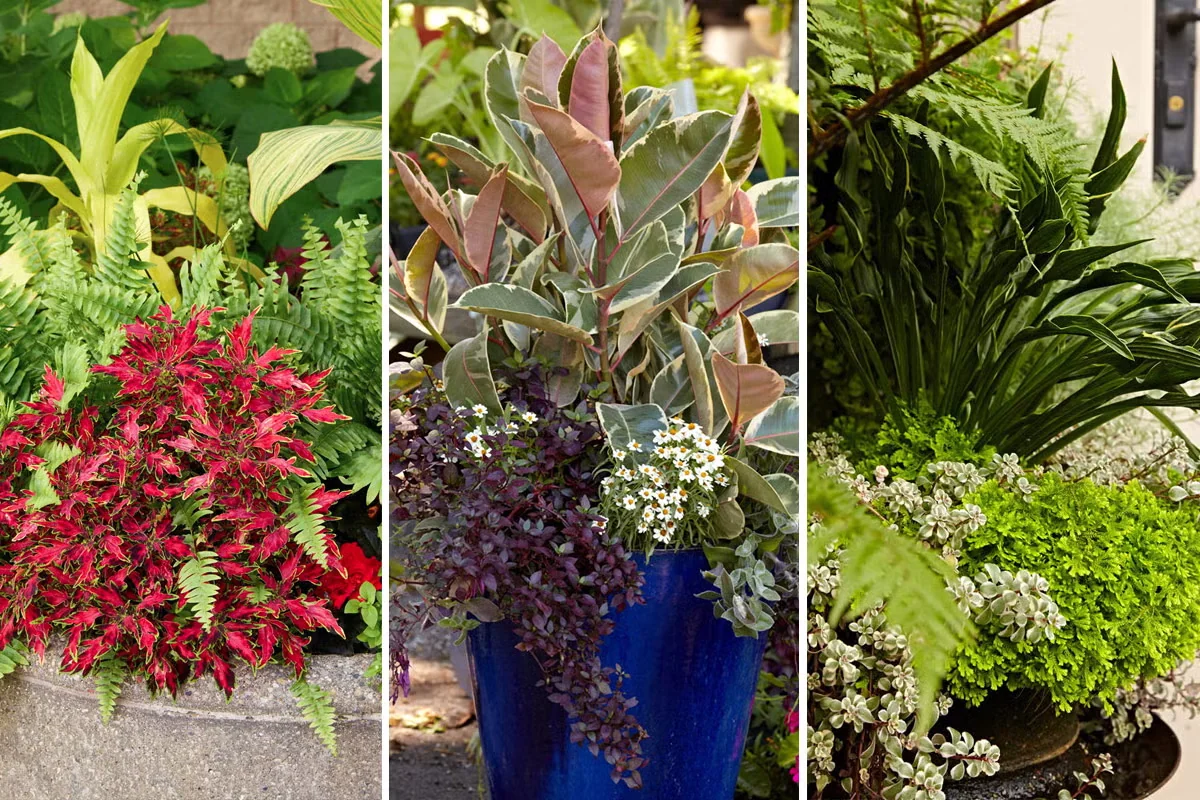
“Perennials make wonderful subjects for garden containers, which used to be strictly annual territory. They bring a whole new feel to pots, giving us so many more options and adding layers of interest…”
Citrus Tree
Citrus meyeri
Perennials make wonderful subjects for garden containers, which used to be strictly annual territory. They bring a whole new feel to pots, giving us so many more options and adding layers of interest from spring through fall—whether it's foliage, flowers, or seed heads. And lately, plant breeders have been selecting perennials (and shrubs) for more compact sizes, making them even more perfect for container growing and display.
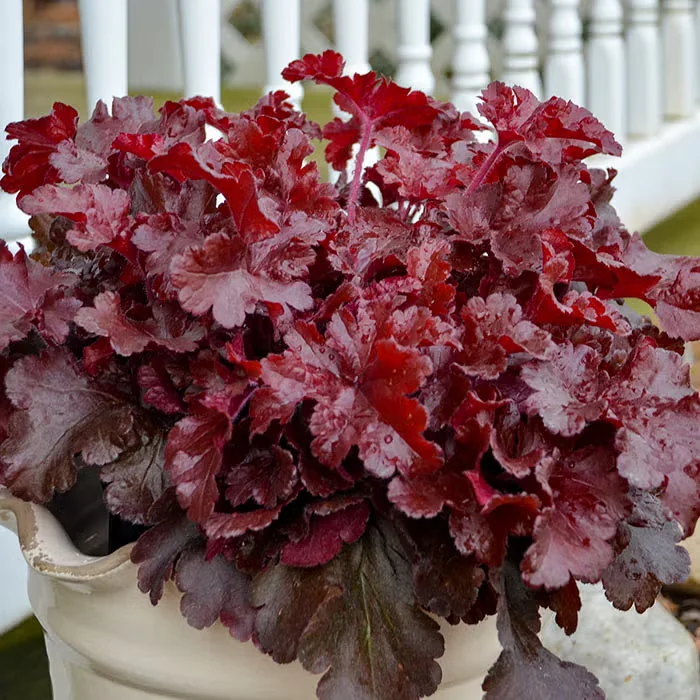
When fall rolls around in cold climates, I always start wondering: What am I going to do with all my potted perennials for winter? The whole point of a perennial is that it comes back year after year, and potted perennials can do the same thing—you just need to follow a few guidelines:
Check the hardiness. If your potted perennial is rated hardy to one or two zones colder than where you garden, it stands the best chance of making it through winter outdoors. Say you garden in USDA Zone 6—a perennial hardy to at least Zone 4 has the best odds. The thing is, pot soil doesn't stay as warm as ground soil because there's less mass. It also freezes sooner and thaws more easily, and may go through several freeze-thaw cycles over winter, which is tough on the plant. So your potted perennial really needs to be bone-hardy in your area—or even hardier—to survive in a container without special treatment.
Offer protection. Potted perennials rated to your hardiness zone or just one zone colder can stay outdoors, but they'll need a little help. I move the pot to a sheltered spot—right next to a house, shed, or evergreen hedge, ideally facing north so it's out of the wind and won't get thawed out by the sun the way a south-facing spot would. If you've got several potted perennials, cluster them together for extra insulation. Then cover the pots with shredded leaves, straw, or other organic material.
Bury the pots or bring them inside. If you're worried about your potted perennials' hardiness—or they're special specimens you just can't bear to lose—try sinking the pots into the ground before it freezes. Just dig a hole and plant the whole pot, perennial and all. This way the ground soil's mass helps stabilize the temperature around the pot. Or, bring the pot into an unheated, not-too-bright space like a garage or cold cellar. (It doesn't need to be pitch dark.) Give it a light watering occasionally over winter, just enough so the soil doesn't completely dry out.
Don't forget to think about how the container itself will hold up through winter, too. A frost-proof or freeze-proof pot should be fine, but containers not rated for freezing might crack, chip, or show some wear by the time spring arrives.